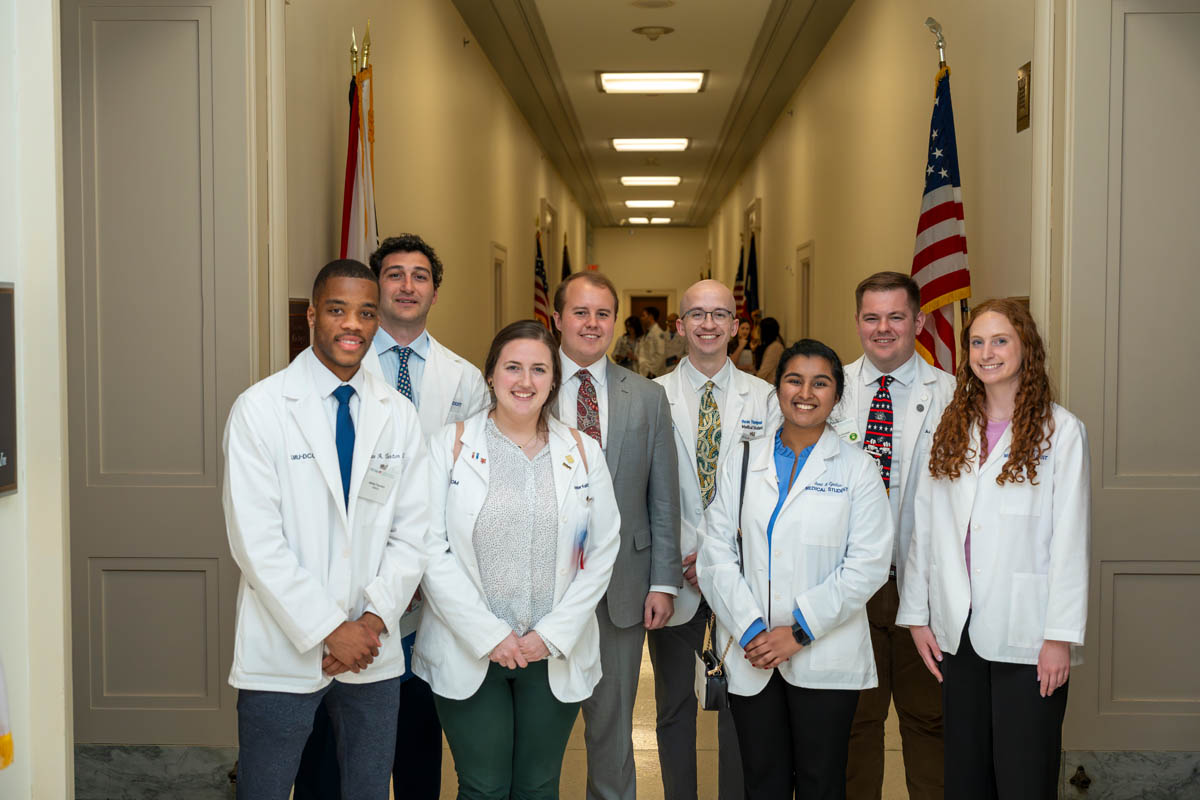
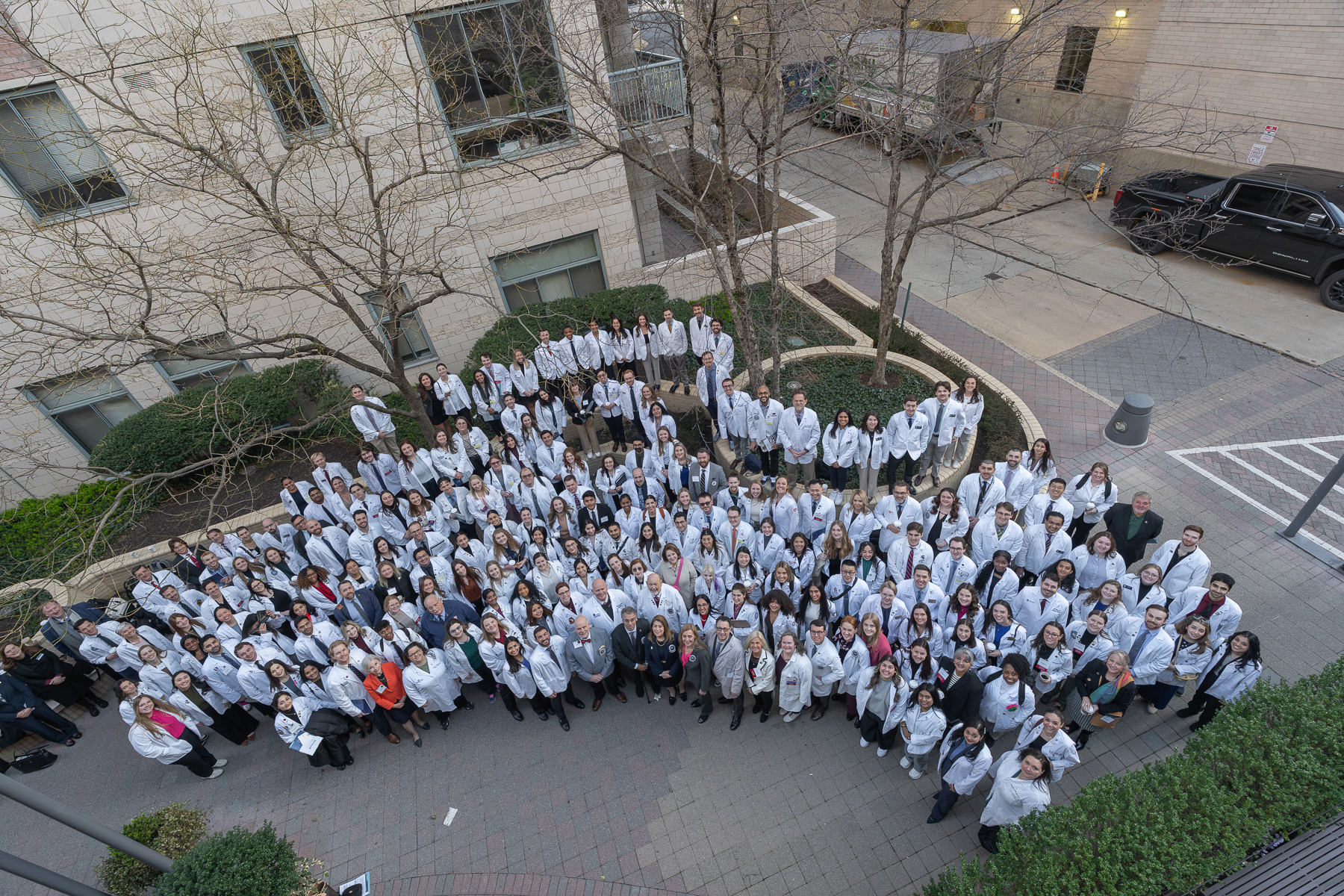
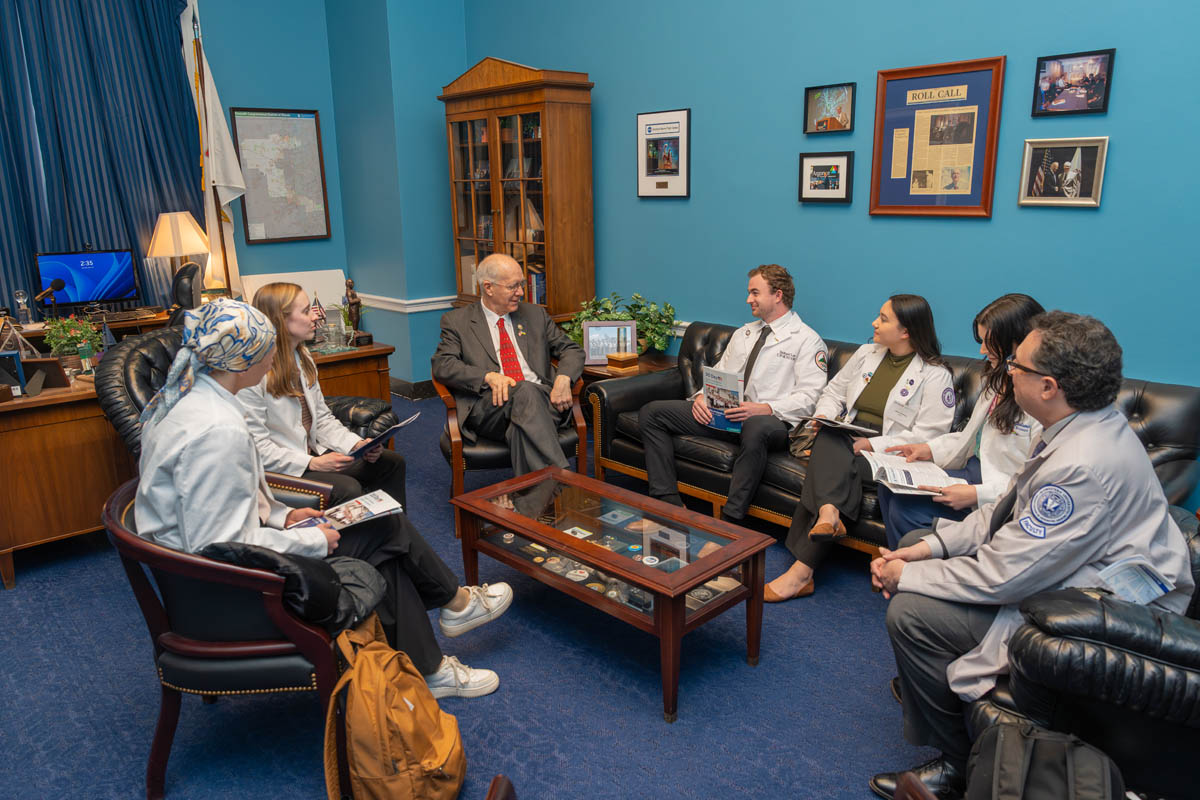
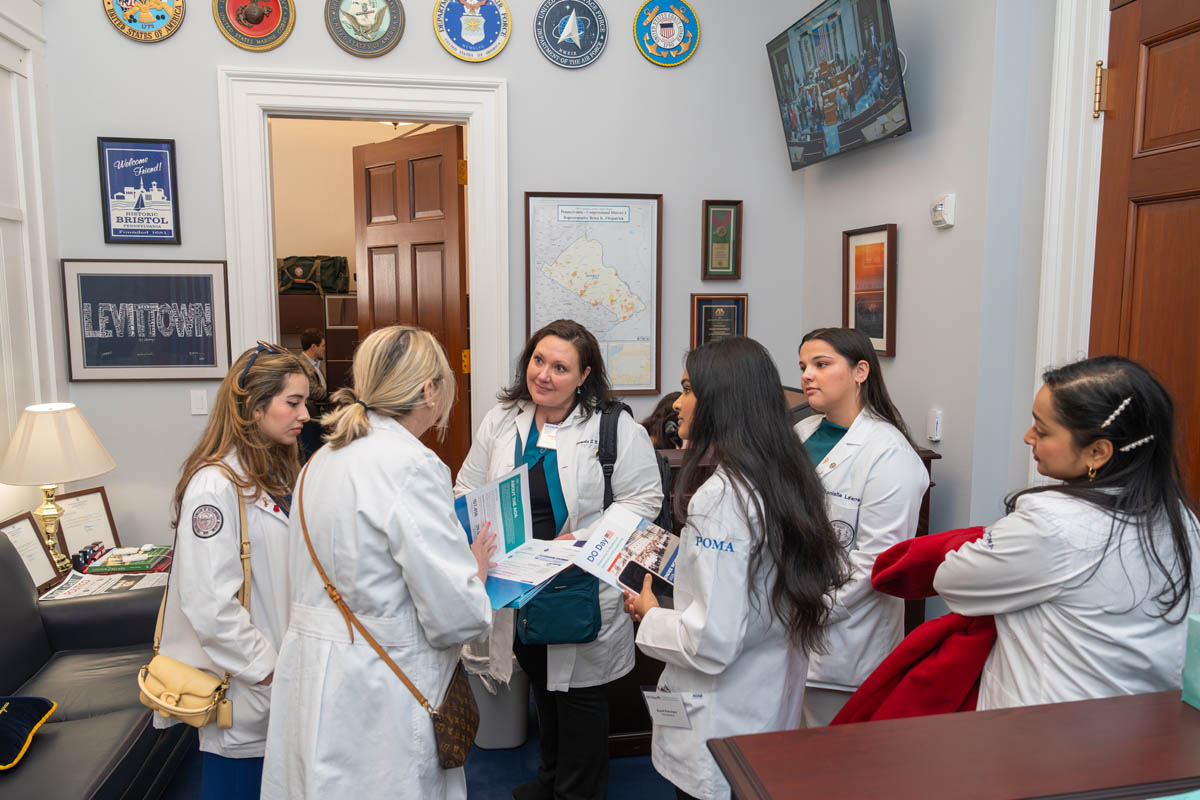
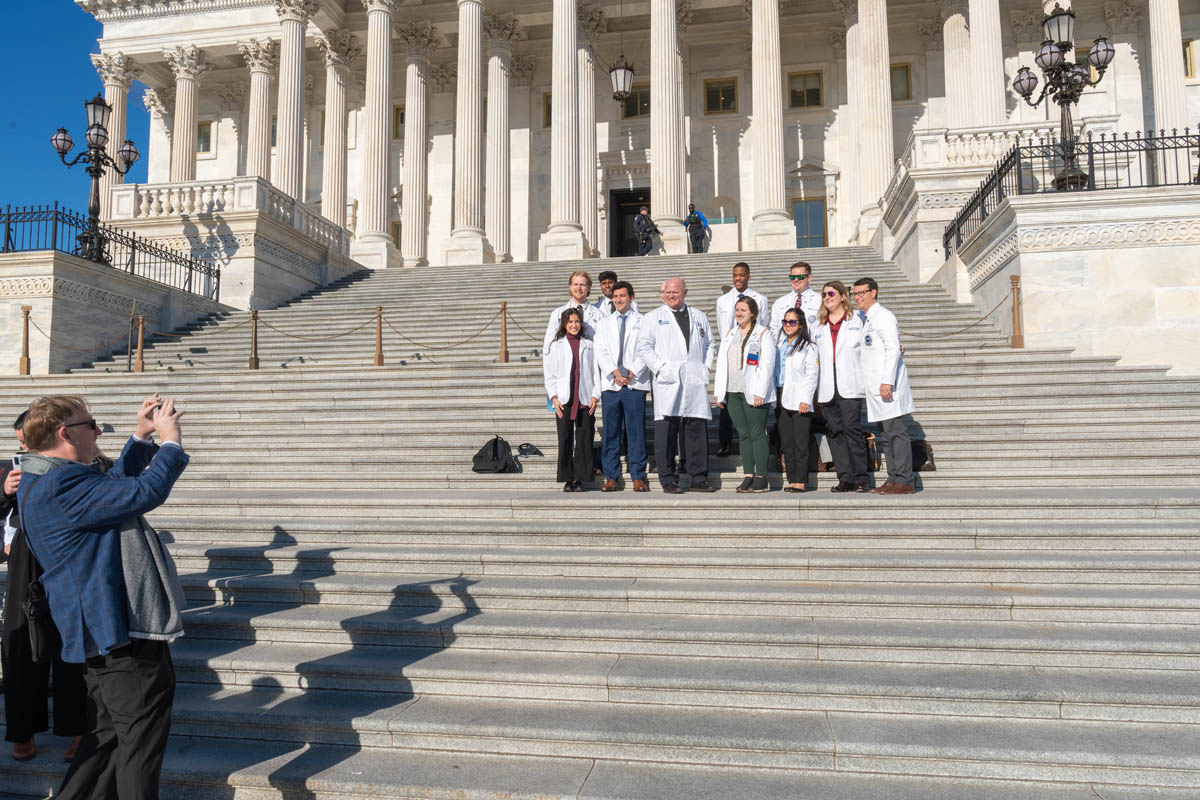
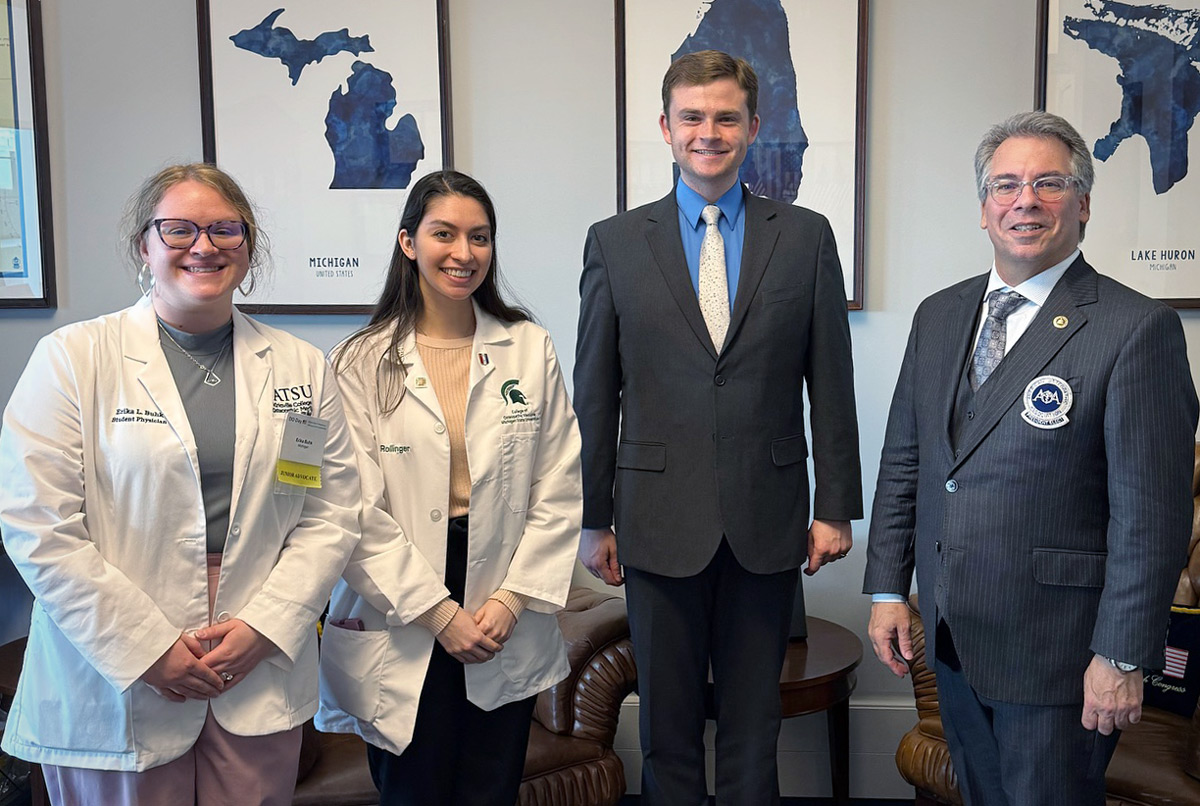
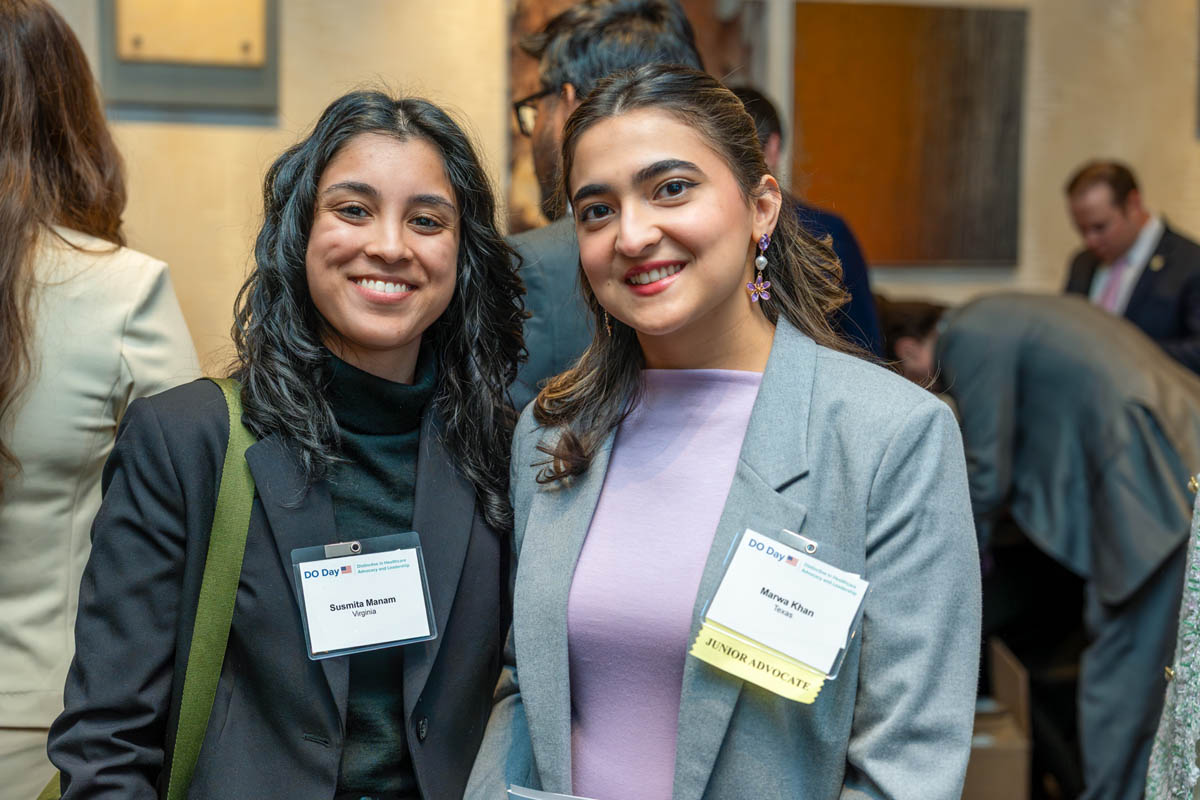
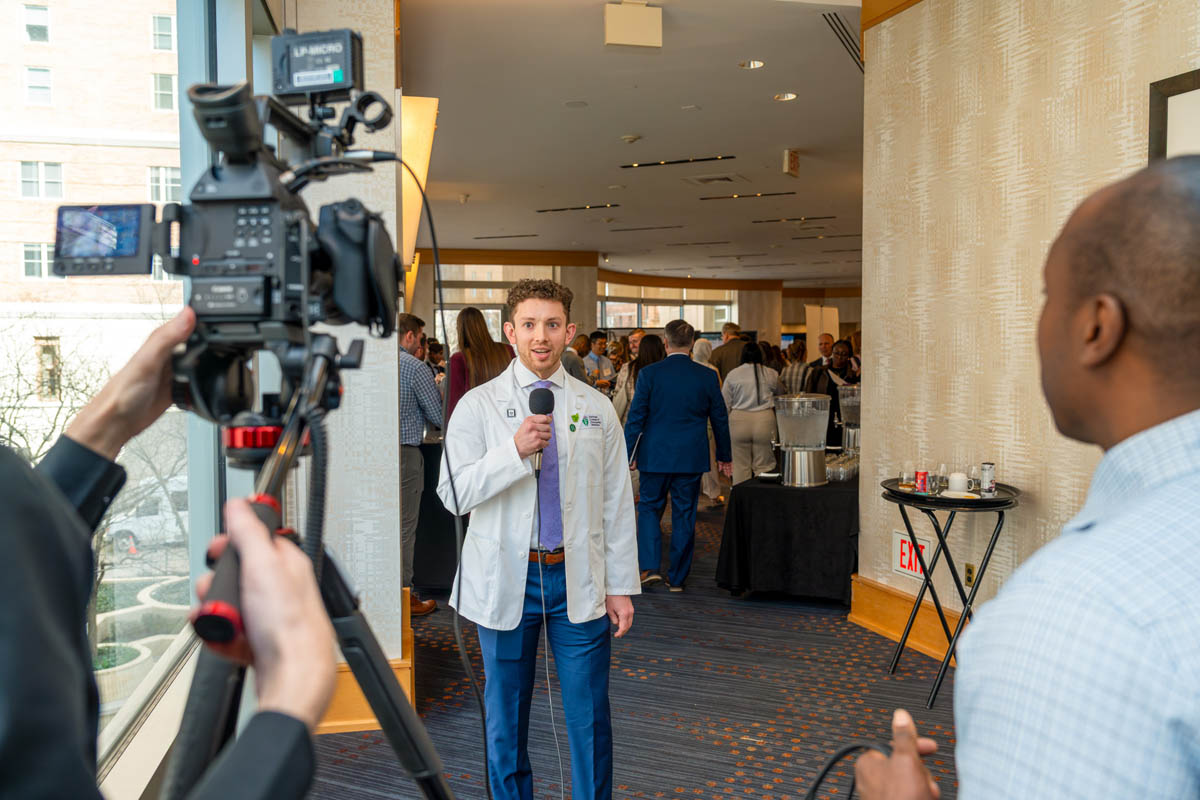
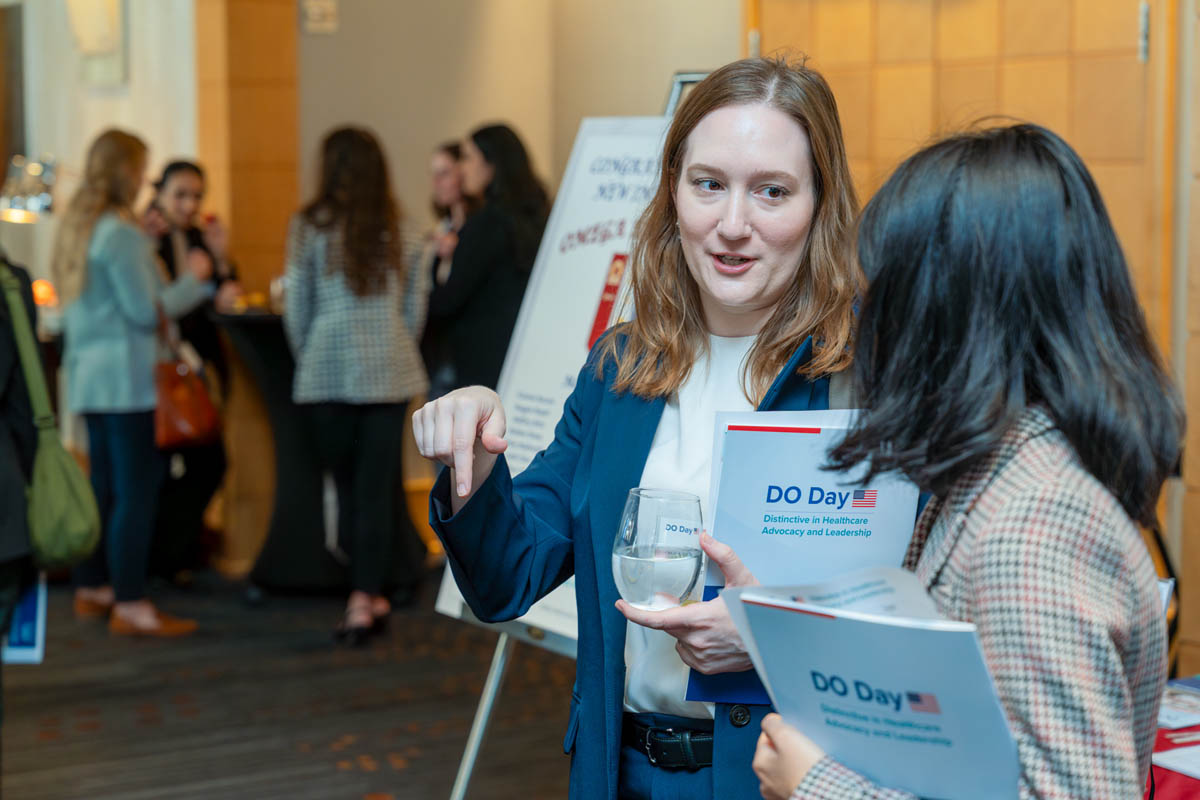
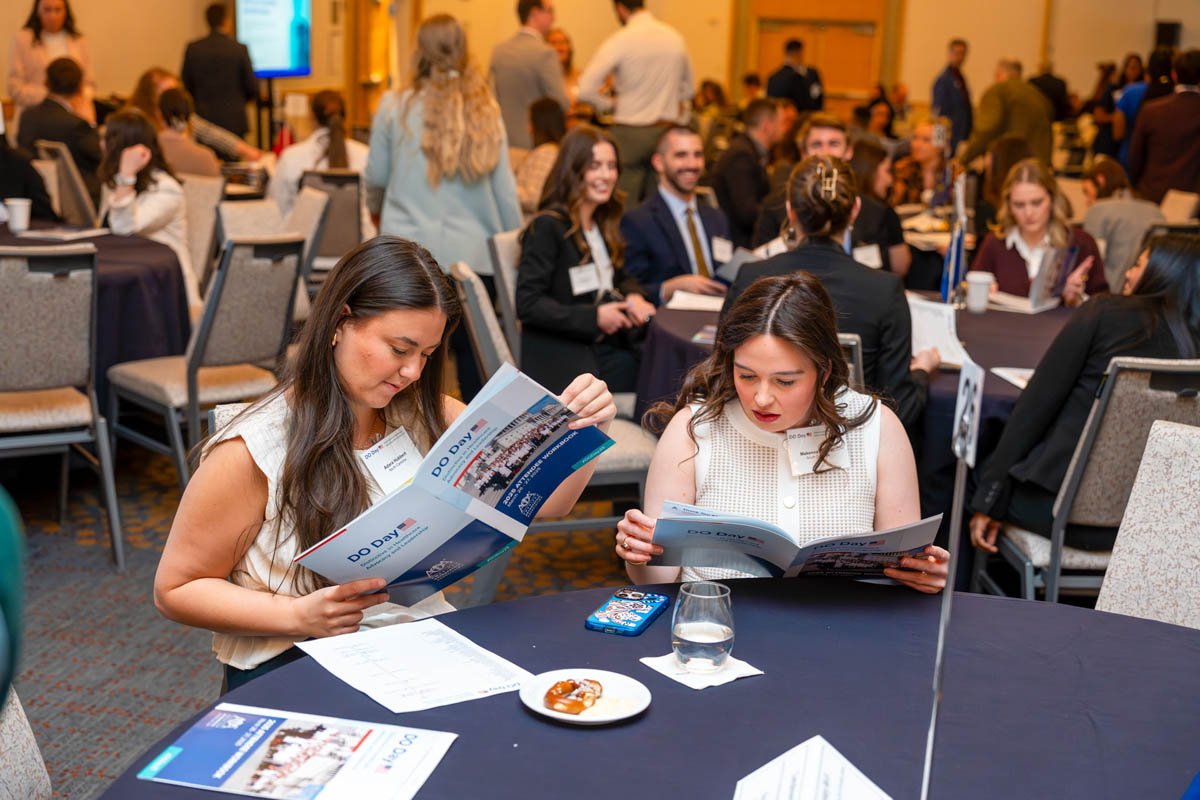
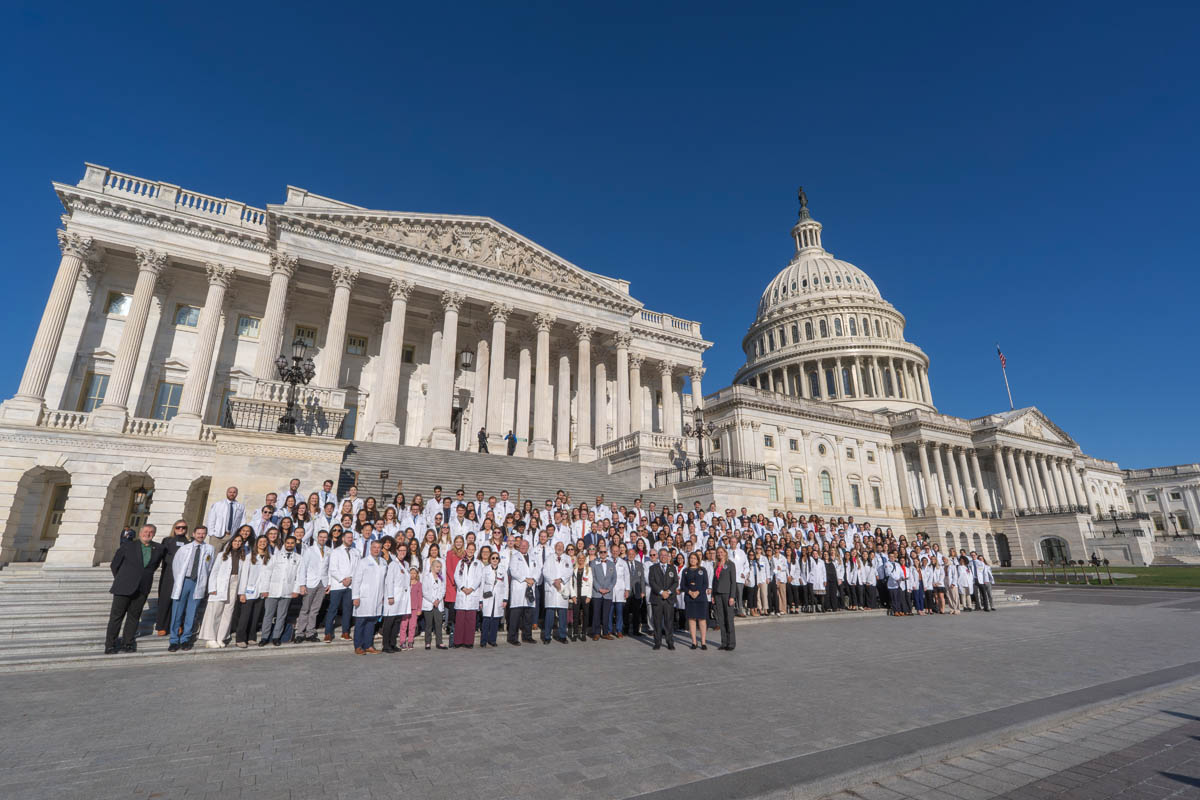
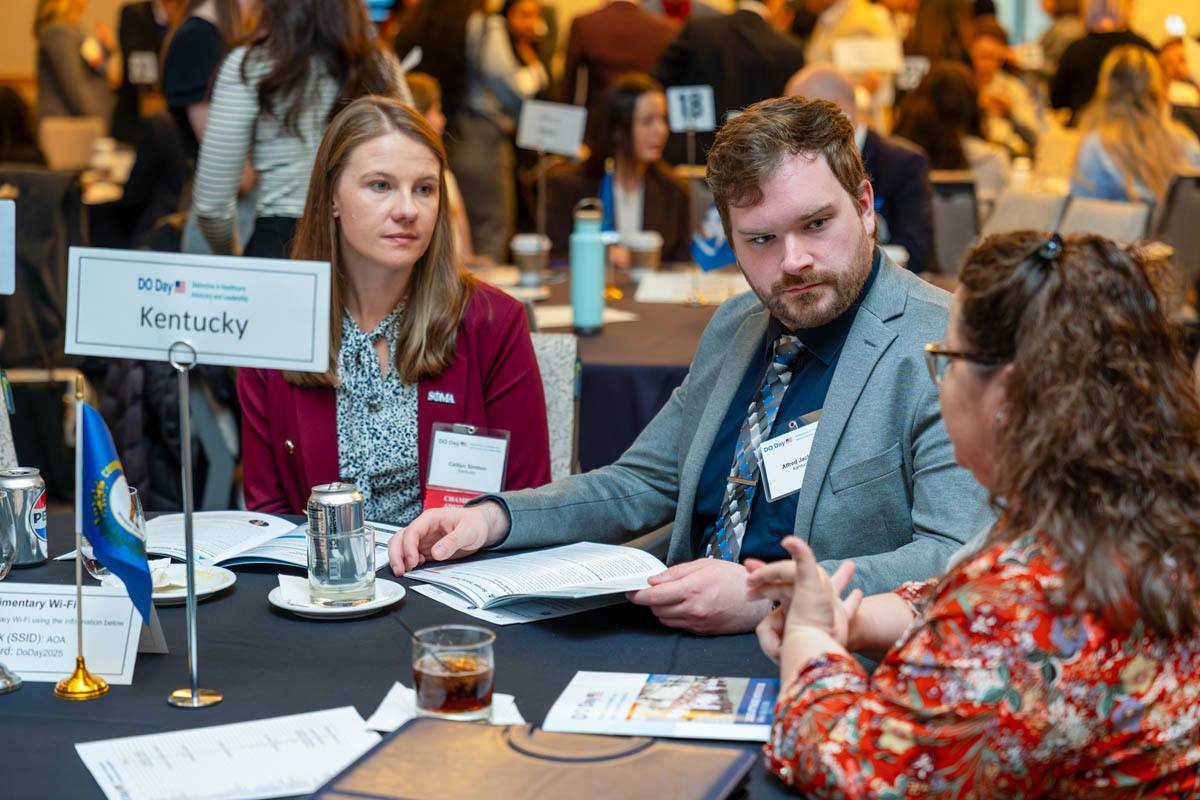
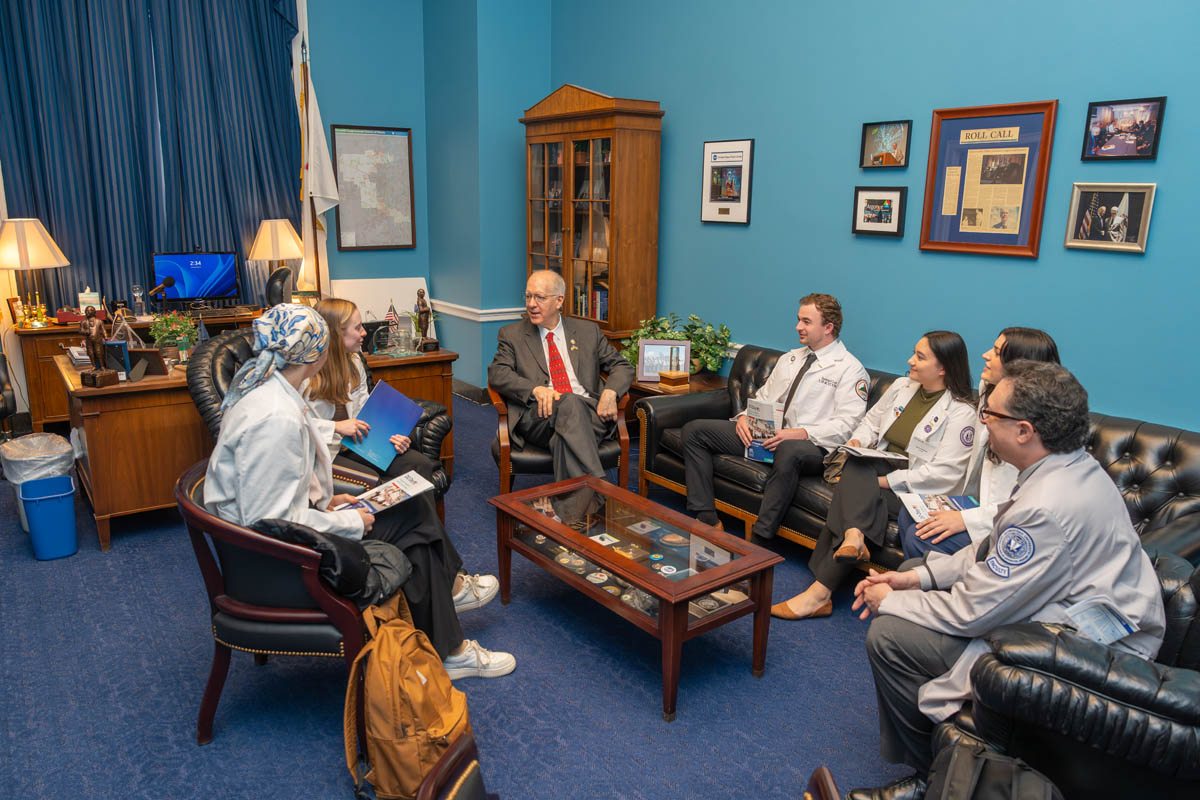
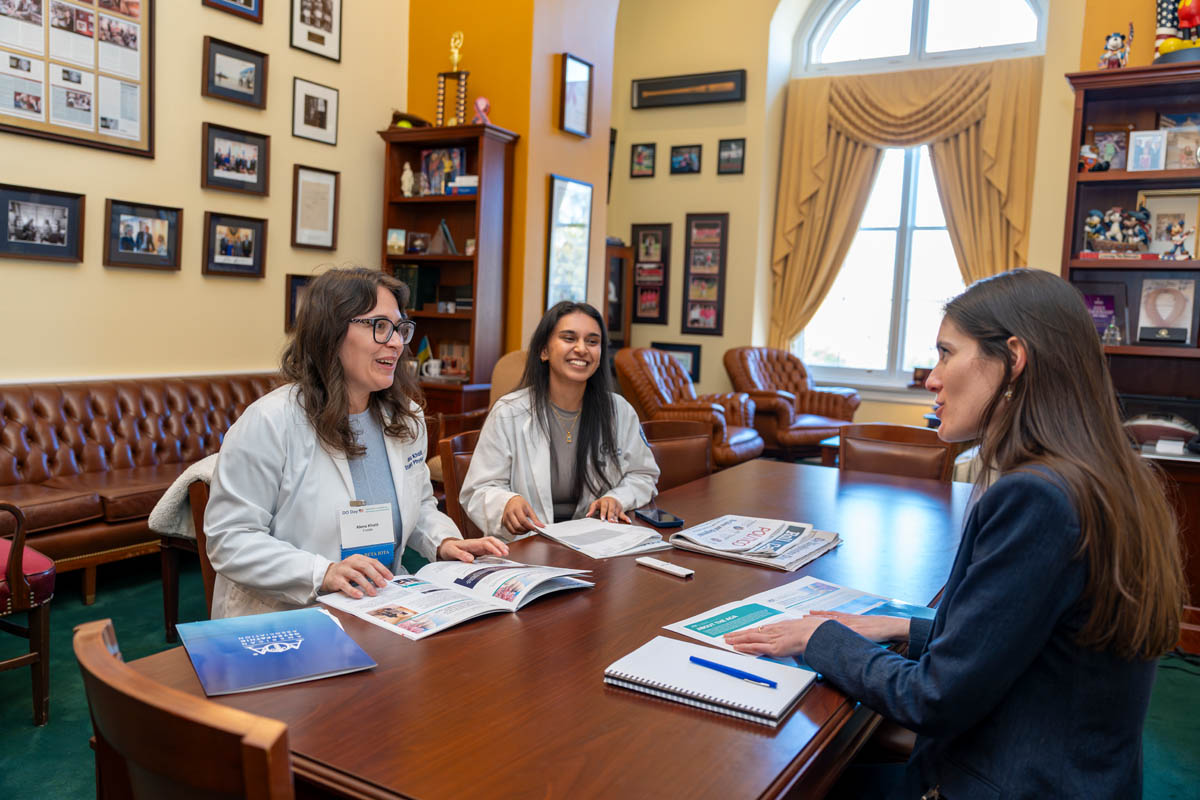
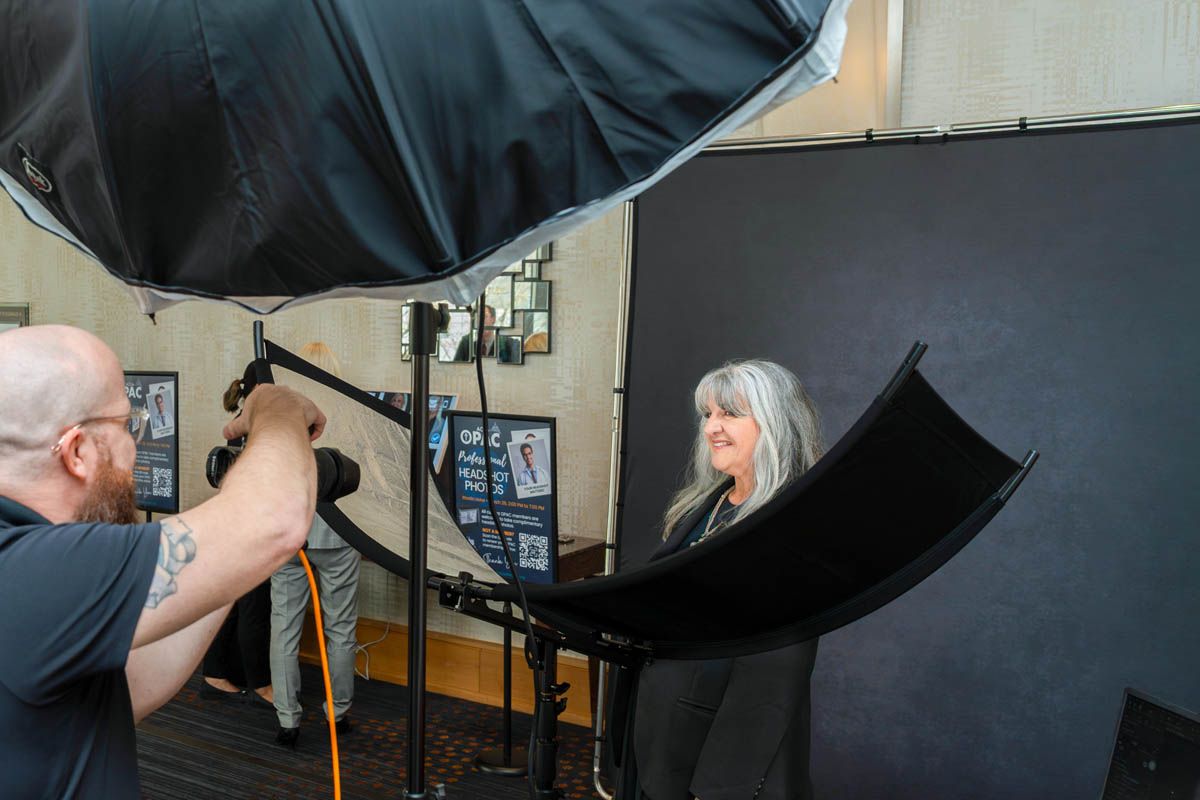
From insights to iconic sights, experience the best of this year’s conference.
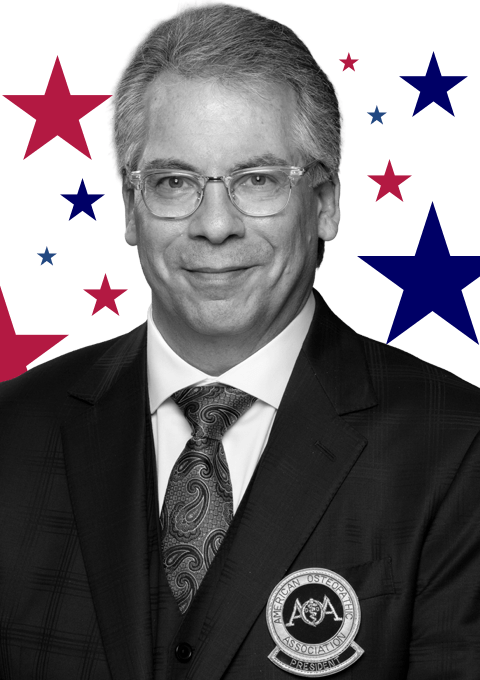
Hear from those who’ve experienced DO Day firsthand.
DO Day brings physicians and students together to advocate for patients, connect as a profession and recognize the impact we have beyond the clinic walls.”
It’s a great experience to be here on Capitol Hill and meet with the people who are actually making legislation for our country. It’s an opportunity to advocate for our profession and our patients, and I encourage everybody to do this.”
You can only vote for your federal representatives every couple of years. DO Day is amazing because you can come every year. And you can join the AOA’s Osteopathic Advocacy Network and start making contacts multiple times a year.”
Advocating for the profession, introducing people to the process, having the leadership, the mentors and then seeing students become mentors themselves … this is what it’s all about. Please carve out time to come.”
Time 9 a.m.–10 a.m.
SESSION The Physician's Voice: Why Advocacy Matters Kick off DO Day with an inspiring message on the importance of physician advocacy. This session will highlight why engagement in health policy is critical to protecting the osteopathic profession and improving patient care. Participants will be reminded that their experiences on the front lines of medicine make them powerful advocates for meaningful change.
Time On-Demand–
SESSION Digital Health Policy Speaker: Gabriel Miller
This advocacy-focused session equips osteopathic physicians with strategies to influence federal healthcare policy that advances digital health innovation while preserving physician autonomy and the patient-physician relationship. Participants will learn effective methods for promoting regulatory reforms that support payment for digital health, reduce administrative burdens, support osteopathic philosophy in AI applications, and improve interoperability—ensuring digital health policy enhances, rather than obstructs, whole-person care delivery.
Time On-Demand–
SESSION Medicare Physician Payment and the CPT/RUC Process Speaker: Gabriel Miller
This session will highlight key changes under the Medicare Physician Fee Schedule in 2026, describe the CPT Editorial Panel and Relative Value Scale Update Committee (RUC) processes, and the role of physicians in informing coding and payment. In addition to highlighting key policy changes, this session will equip physicians with essential information about how they can provide critical input that informs CPT coding changes, RUC recommendations on code relative values via the survey process, and ultimately, Centers for Medicare & Medicaid Services (CMS) policy changes.
Time On-Demand–
SESSION State Government, Health Policy, and Physician Advocacy Speaker: Uma Loganathan
This presentation will provide an overview of the state legislative process, as well as factors influencing state legislators and shaping their health care priorities. It will also describe the AOA's process for determining state advocacy priorities, bills of interest, and how osteopathic physicians (DOs) and osteopathic medical students (OMSs) can become engaged. A case study of successful DO advocacy will also be provided, with key insight as to how the DO background uniquely prepares the profession for government and political engagement.
Time On-Demand–
SESSION Why Advocacy Matters for Residents Speaker: Syed Rizvi, DO
Residents experience firsthand how policy decisions shape patient care, hospital operations, and physician well-being, yet they are often unaware due to their daily clinical constraints. Many trainees feel advocacy is “extra” work or reserved for later in their careers. This session reframes advocacy as a core clinical skill that begins during residency and directly impacts patient outcomes, equity, and the future of their profession. Through real-world examples and practical pathways, participants will explore how residents can translate everyday clinical challenges into meaningful advocacy at the institutional, community, and legislative levels without sacrificing training priorities.
Time On-Demand–
SESSION Student Loan Policy Changes: Implications for Osteopathic Education and Workforce Access Speaker: Mara Krutsinger, OMS III
The passage of the One Big Beautiful Bill (OB3) marks a turning point in federal graduate student loan policy. Long-standing debates over borrowing limits, repayment generosity, and the fiscal sustainability of Public Service Loan Forgiveness have now culminated in enacted reforms. For colleges of osteopathic medicine, the implications warrant careful analysis. This session reviews the historical development of federal student lending, the policy logic underpinning graduate loan expansion, the Bennett Hypothesis, and the budgetary impact of loan repayment interventions. Building on that foundation, it evaluates how OB3 reshapes financing options for osteopathic medical students and examines potential downstream effects on institutional stability and rural physician workforce supply. The presentation concludes with forward-looking policy recommendations and strategic considerations designed to align post-OB3 implementation with the mission of osteopathic medicine.
Time On-Demand–
SESSION Lessons from the Hill-Burton Act: Applying Infrastructure-Based Health Policy to Contemporary Challenges in Access, Cost, and Supply Chain Security Speaker: Thomas S. Creech, OMS III
This presentation explores how lessons from historical infrastructure policy can inform modern approaches to strengthening the health care system. Using the Hill-Burton Act as a foundation, it examines how long-term investment, strategic planning, and public benefit requirements can guide solutions to current challenges in access, cost, and system resilience. The session highlights connections between health care delivery, supply chain stability, and community well being and offers a framework that attendees can apply to a wide range of contemporary policy discussions.
Time 9 a.m.–10 a.m.
SESSION DO Day Legislative and Advocacy Overview Speaker: Jake Brennan
This session will provide participants with an overview of the key federal policy issues that osteopathic physicians and medical students will be advocating for during DO Day on Capitol Hill. Attendees will learn about the priorities driving our conversations with members of Congress, including physician payment reform, strengthening the physician workforce, and improving patient access to care. The session will also include advocacy training and logistical guidance to help participants feel confident and prepared for their meetings on Capitol Hill.
Time On-Demand–
SESSION Trauma-Informed Care: Building Resilient Leaders Speaker: Lu Wolff, OMS III, MBS
Trauma is prevalent, physiologically encoded, and influential in both patient care and physician well-being. This session examines the neurobiology of trauma, including HPA axis activation, autonomic dysregulation, and allostatic load and explores their cognitive and emotional consequences in clinical settings. Participants will review evidence on secondary traumatic stress, moral injury, and burnout in healthcare professionals, with particular attention to how chronic sympathetic activation affects executive functioning and leadership capacity. Grounded in osteopathic principles and relational neurobiology, this presentation introduces the Dual-Healing Model, a bidirectional framework emphasizing both patient and provider regulation within the clinical encounter. Attendees will identify practical, physiologically grounded strategies to promote resilience and discuss the implications of trauma-informed approaches for advocacy, workforce sustainability, and healthcare policy.
Time On-Demand–
SESSION Legislative Advocacy Within Your Community and State Speaker: Douglas W. Harley, DO, FACOFP, FAAFP
Legislative advocacy is a critical component of health system governance and directly influences clinical practice, medical education, and patient access to care. This session examines the role of osteopathic physicians and students in state and local advocacy efforts, with emphasis on policy priorities such as scope of practice, graduate medical education funding, and healthcare access for underserved populations. Using case-based examples, participants will analyze effective advocacy communication strategies, including message framing, storytelling, and relationship-building, and will explore barriers to engagement and mechanisms for sustained professional involvement.
Time On-Demand–
SESSION Osteopathic Medicine and the Future of Rural Healthcare Speaker: Nicholas Fong, OMS IV
This session explores the history of osteopathic medicine and its connection to rural healthcare. Participants will examine the demographics of DOs in rural areas, the barriers rural physicians face, and the programs designed to expand access to care. The session also highlights AOA initiatives and osteopathic medical school efforts to increase rural exposure and training. Finally, we will review pathways and programs that inspire future physicians to pursue careers serving rural communities.
Time On-Demand–
SESSION Competition in Healthcare: Restrictive Covenants and Noncompetes Speaker: Colin Whitney
Changes in the U.S. physician employment landscape have ignited a discussion on competition in healthcare and access to care. Learn more about important contract provisions, like restrictive covenants and noncompetes, and the work being done at the Federal and State level to enforce and change antitrust laws.
Time On-Demand–
SESSION Prior Authorization: Policy Challenges and Initiatives Speaker: Jake Brennan
This session will explain how prior authorization works in practice, as well as how it is regulated at the federal level. It will also cover the evolving policy landscape for new prior authorization requirements, as well as reforms that can help address the prior authorization challenges physicians face.
Time On-Demand–
SESSION Health Policy as a Core Student Competency Speaker: Gene Tekmeyster, DO, MBA
Despite the abundance of peer-reviewed research, a significant gap exists between clinical evidence and the legislative policies that govern healthcare systems. This session is designed to bridge that "practice gap" by equipping physicians with the structural frameworks and communication competencies required to influence health policy effectively. Moving beyond theoretical knowledge, this session focuses on systems-based practice and practice-based learning and improvement. Participants will learn to synthesize complex data into actionable policy messaging, navigate the ethical landscape of professional advocacy, and apply evidence-based strategies to overcome systemic barriers. Through a blend of foundational lecture and interactive skills practice, attendees will depart with a measurable toolkit to translate their clinical expertise into impactful policy engagement.
Time On-Demand–
SESSION Abracadabra: Demystifying Legislative Advocacy Speaker: Joshua D. Lenchus, DO, RPh, FACP, SFHM
Many students, residents, and physicians wish to engage in healthcare public policy, but they may be unsure as to the first step to take. Despite their desire to contact legislators or become more involved, they are uncertain how to do that. This session will set a foundation for those who wish to embark on this journey, empower participants with the pearls and pitfalls of communicating with elected officials, and provide meaningful methods for building relationships. Whether a novice or seasoned professional, there will be something to take away for all.
Time On-Demand–
SESSION Why Business Acumen Matters in Medical Education and Advocacy Speaker: Anudeep Deevi, OMS IV
Let’s be honest: most of us didn't go to medical school to spend our time staring at balance sheets. We’re here because we care about patients. But there’s a massive gap—the "vocation trap"—where we’re taught that clinical excellence is somehow at odds with business literacy. In reality, being "just a doctor" often leaves us powerless in the rooms where the biggest decisions are made. This session isn't about turning you into a corporate suit; it’s about giving you the tools to be a more effective advocate. We’re moving past the "medical school bubble" to look at the hard realities of healthcare economics, from profit and loss statements to the mechanics of your first contract.
Time 10 a.m.–4 p.m.
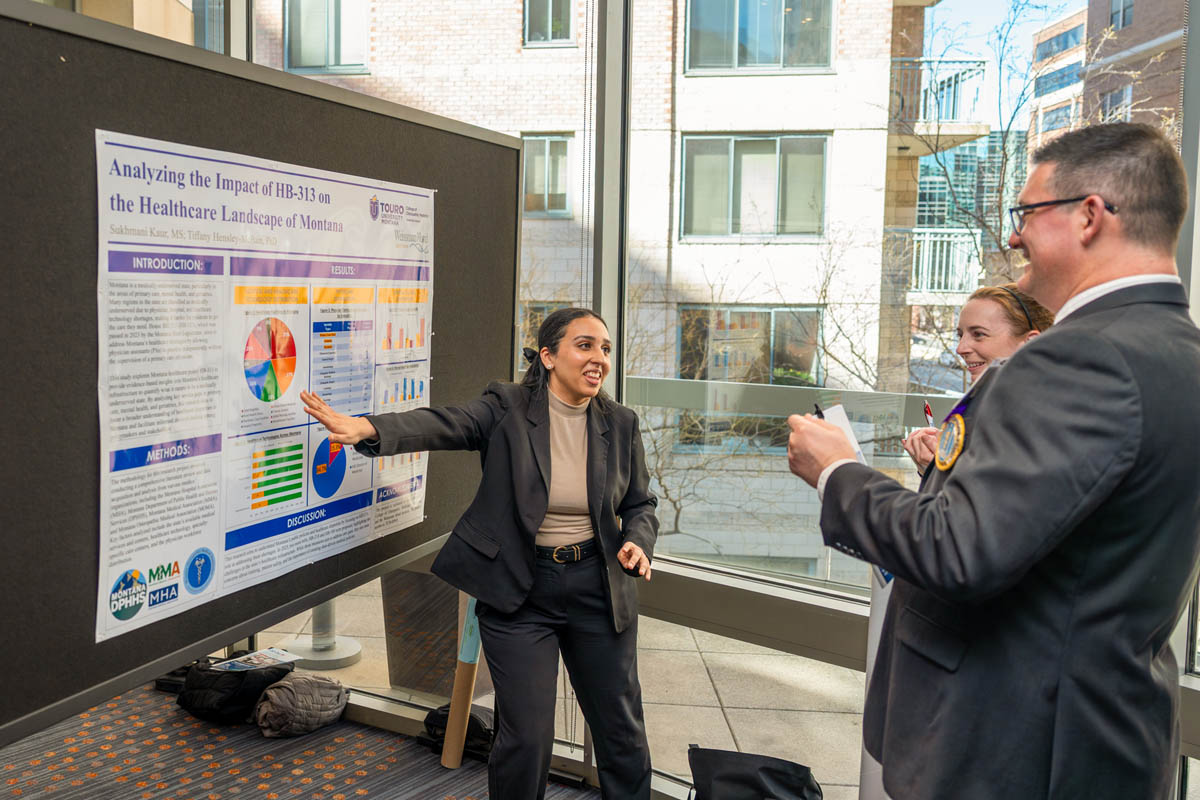
SESSION Advocacy & Policy Research Poster Competition - Presented by Osteopathic Residents & Students The American Osteopathic Association, in partnership with Omega Beta Iota (OBI), invites osteopathic medical students and resident members to participate in the Advocacy and Policy Research Poster Competition held during the in-person session of DO Day on Capitol Hill on March 25, 2026. This competition offers a unique opportunity to present advocacy- and policy-focused research to a broad osteopathic audience while engaging directly with the profession’s national advocacy community.
Location Westin Arlington
Hemingway 1
Time 12 p.m.–2 p.m.
SESSION OBI Induction Ceremony (By invitation) The Omega Beta Iota (OBI) induction ceremony is by invitation.
Location Westin Arlington
Hemingway 2 & 3
Time 4 p.m.–5:30 p.m.
SESSION Congressional meeting preparation To prepare for the congressional meetings on Capitol Hill, attendees will be lead through a training session on what to expect, how to deliver the message and provide the leave behind materials. Mock meetings will also take place.
Location Westin Arlington
Fitzgerald Ballroom
Time 5:30 p.m.–7 p.m.
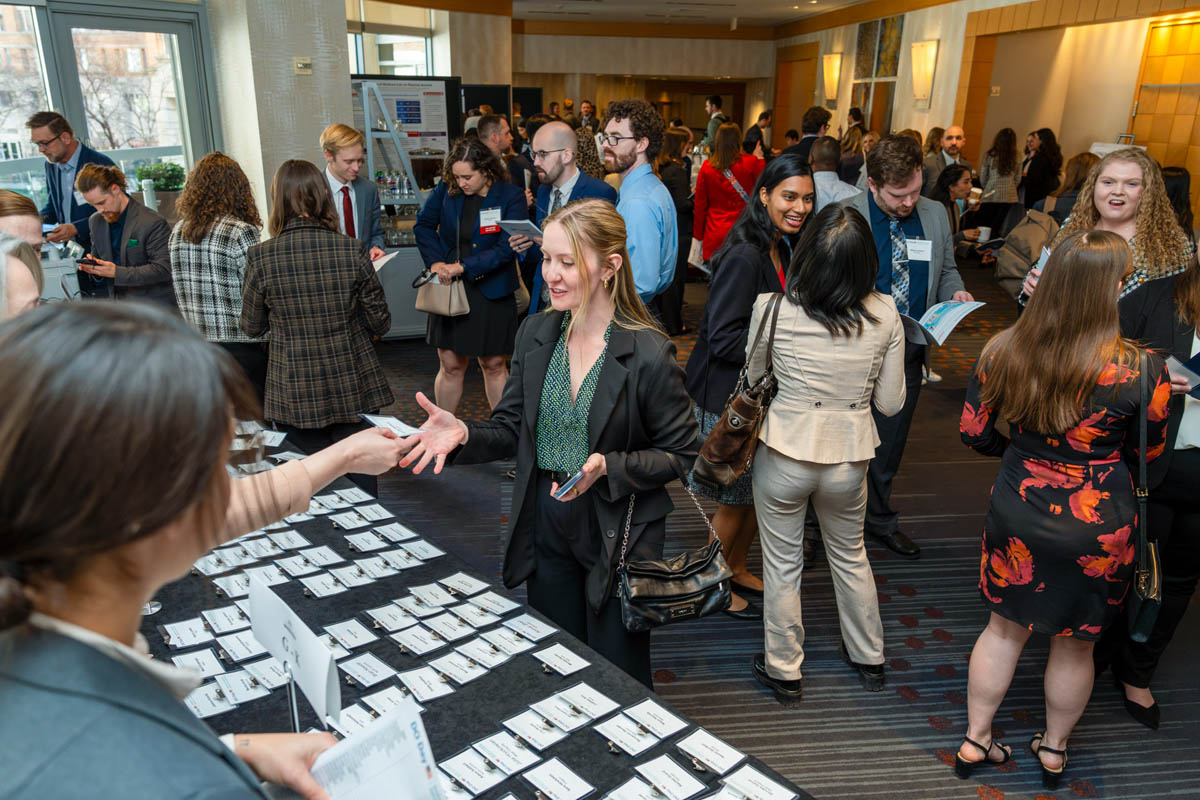
SESSION Networking reception/student poster session viewing Network with colleagues and view the poster sessions prior to the General Session dinner.
Location Westin Arlington
Fitzgerald Ballroom/Hemingway 1
Time 7 p.m.–9 p.m.
SESSION General Session: Keynote presentation and awards recognition dinner Speaker: Bart Berkey
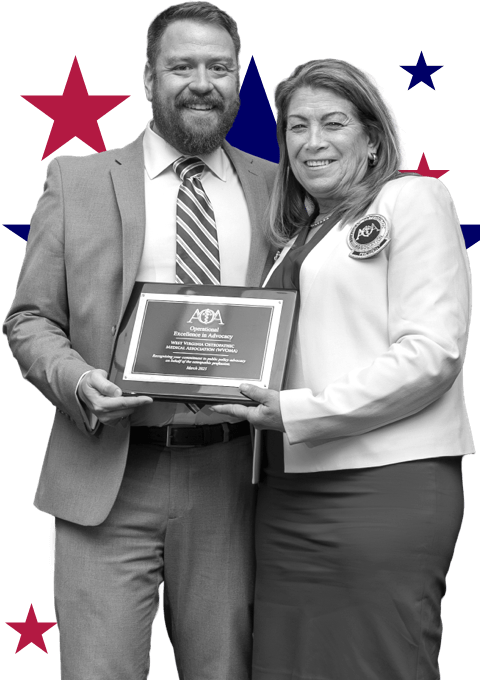
The evening General Session will honor the advocacy award recipients as well as an inspiring keynote presentation by Bart Berkey.
Location Westin Arlington
Fitzgerald Ballroom
Time 7 a.m.–8 a.m.
SESSION OPAC Breakfast – Poster Session Awards, OSAC, and COMpete Support OPAC and join us at the OPAC Breakfast as we recognize the winners of the Advocacy & Policy Research Poster Competition, celebrate the COMpete championship winners, and acknowledge the current Osteopathic Scholar Advocacy Certification (OSAC) cohort.
Location Westin Arlington
Fitzgerald AB
Time 7:30 a.m.–8 a.m.
SESSION Continental breakfast Standard continental breakfast will be provided prior to departing for the Hill visits.
Location Westin Arlington
Fitzgerald CDE
Time 7:50 a.m.–8 a.m.
SESSION Group photo (prior to Hill departure) Gather outside of the Westin Arlington for a group photo.
Location Westin Arlington
Outside
Time 8 a.m.–8:45 a.m.
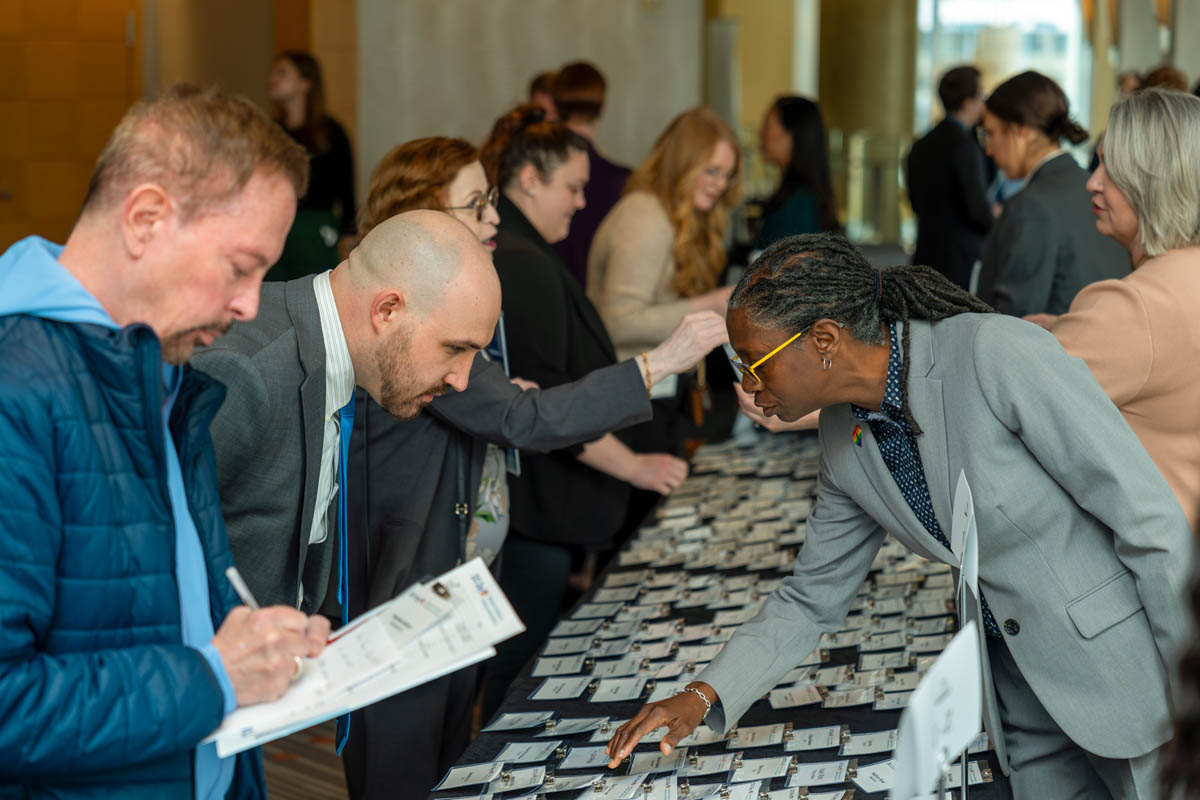
SESSION Shuttle bus/metro to Capitol Hill Depart for the Hill for visits by either taking the shuttle or utilizing the Metro. Metro cards will be provided at registration badge pickup.
Location Westin Arlington
Outside
Time 8:45 a.m.–9 a.m.
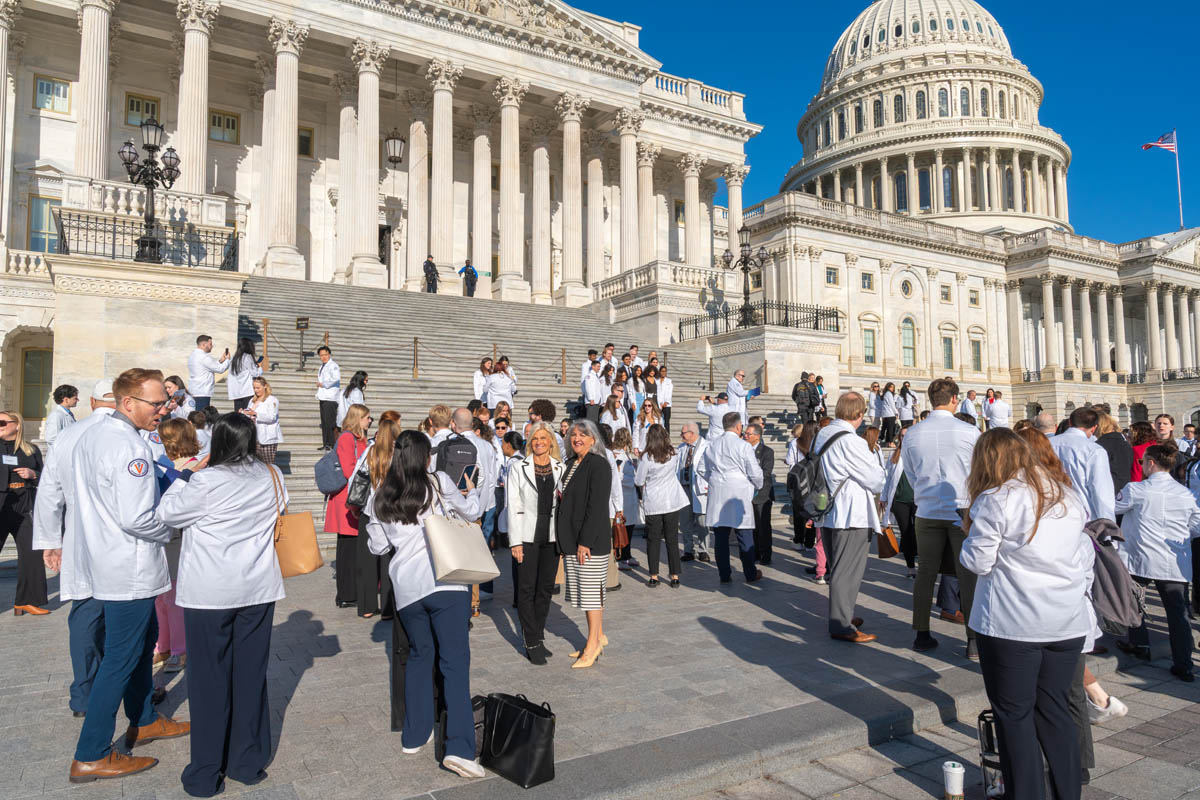
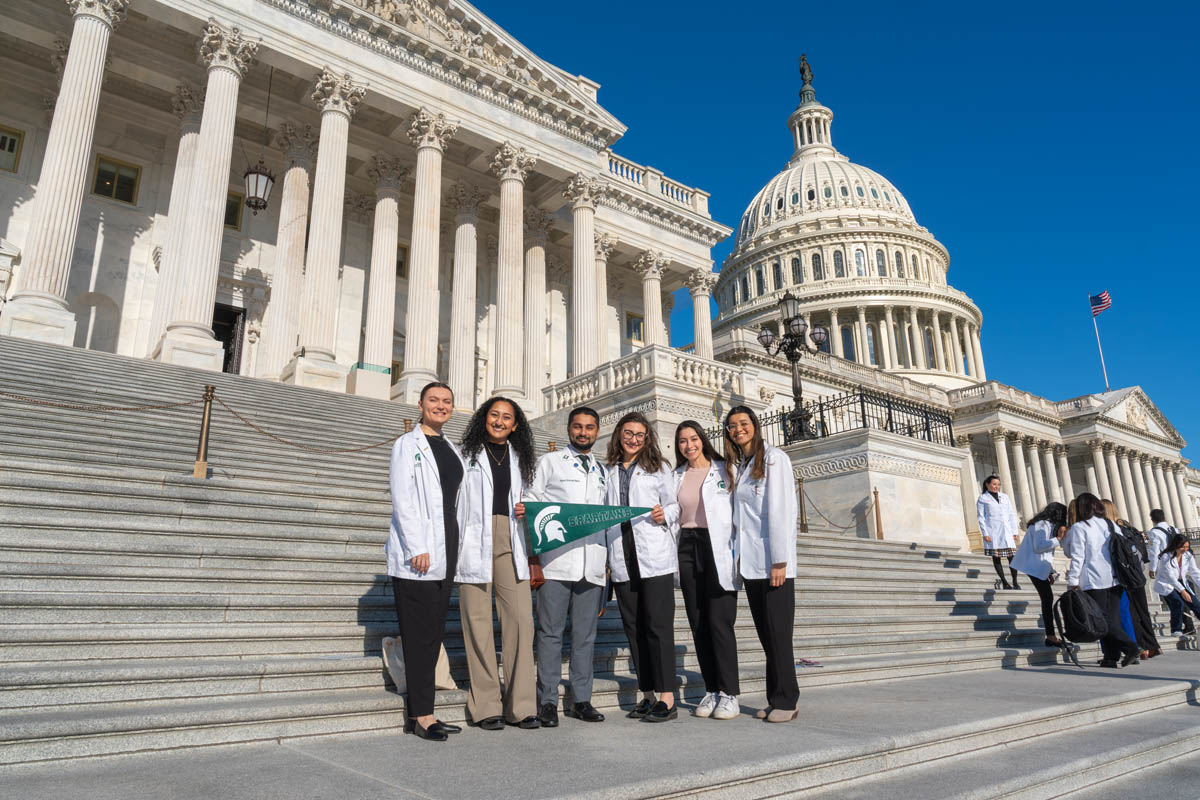
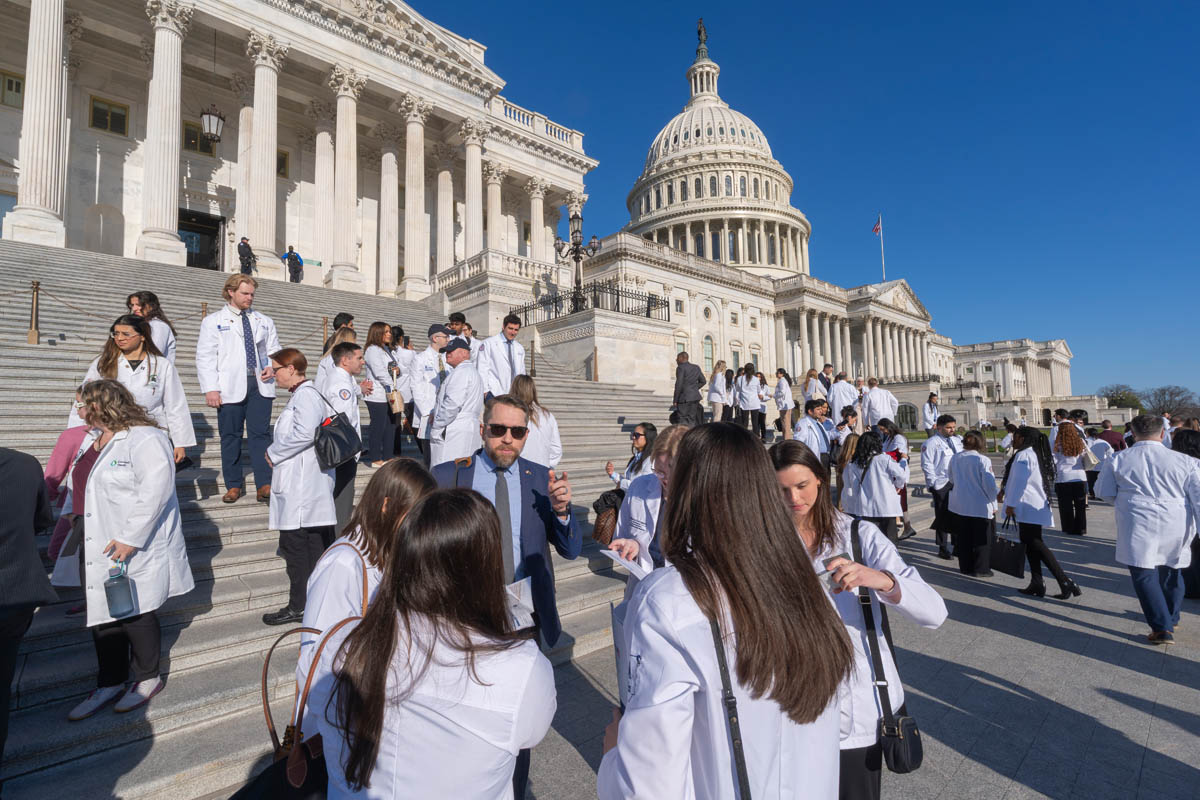
SESSION Capitol Hill group photo Gather on the steps of the Hill for a group photo.
Location Capitol Hill
Outside stairs
Time 9:30 a.m.–5 p.m.
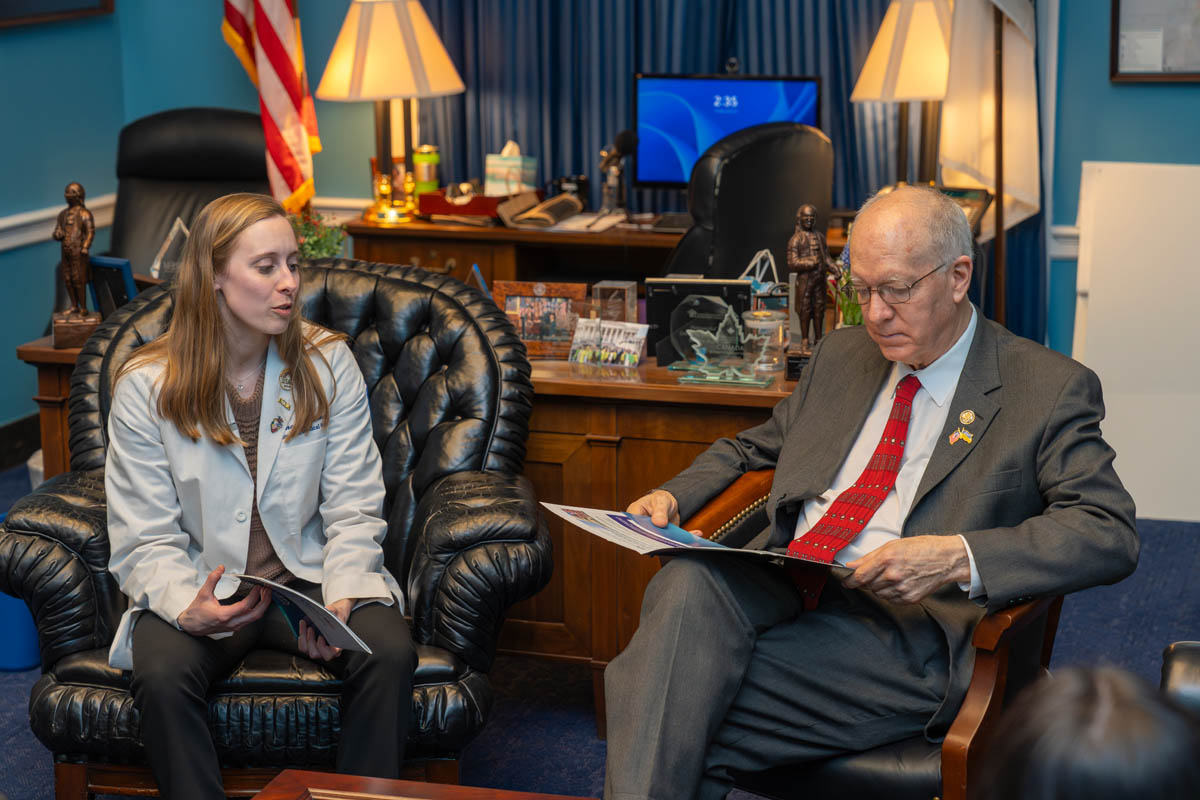
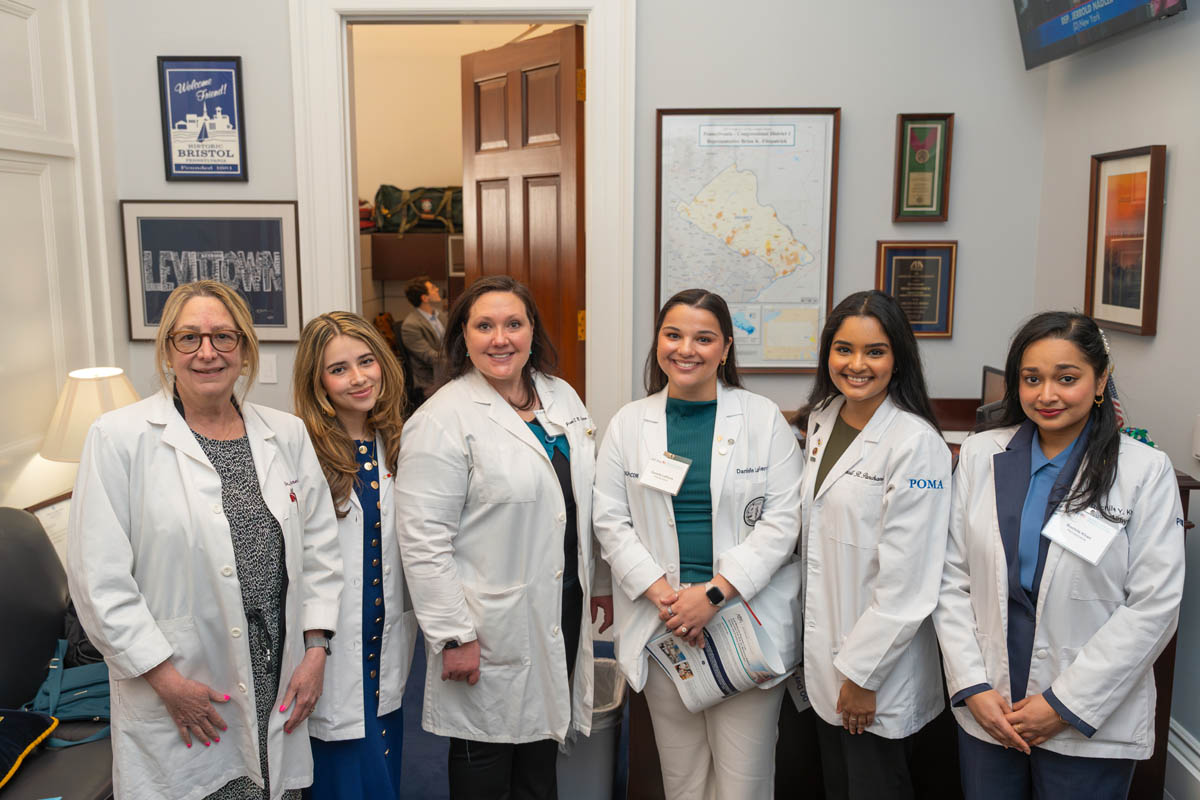
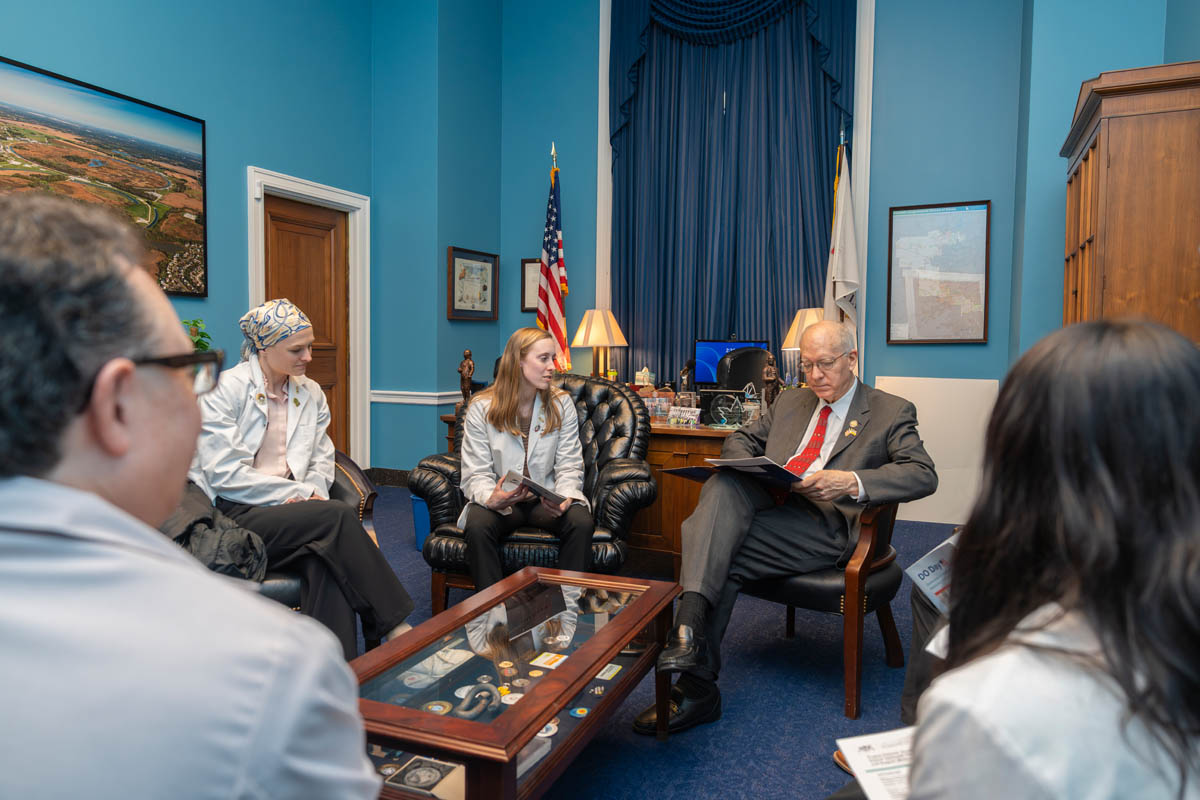
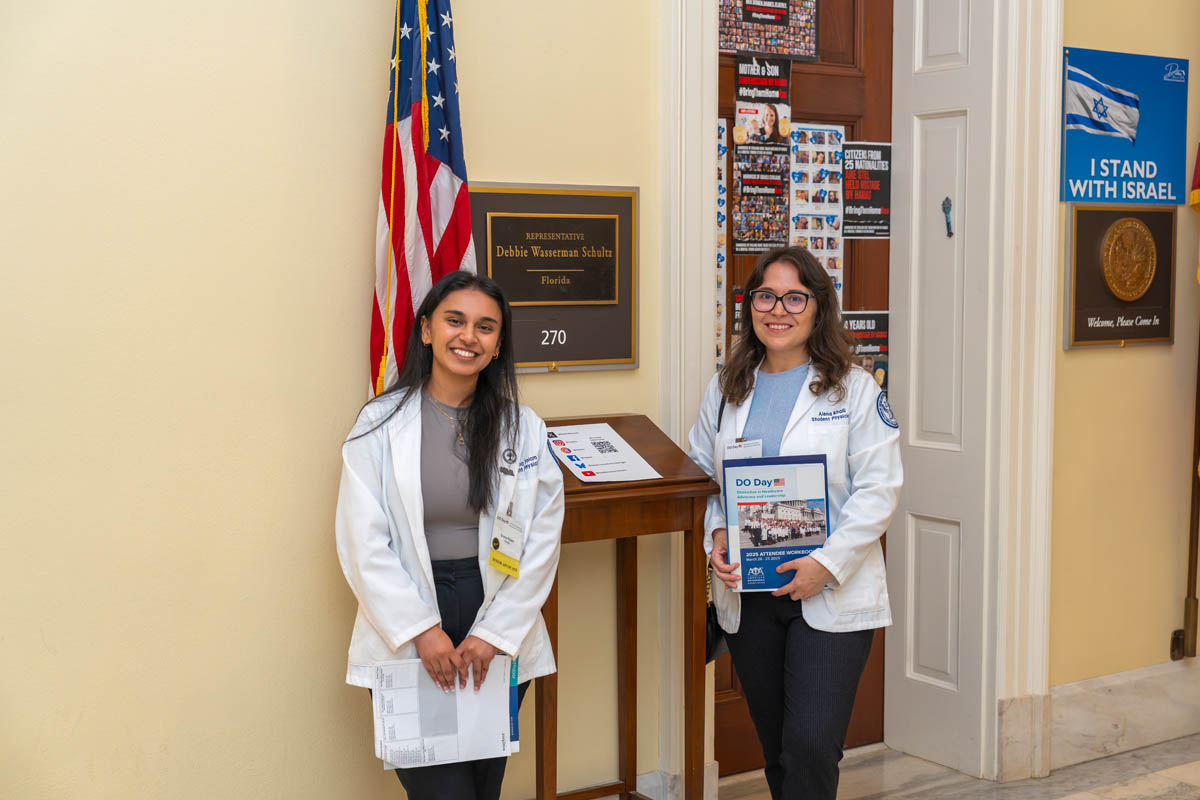
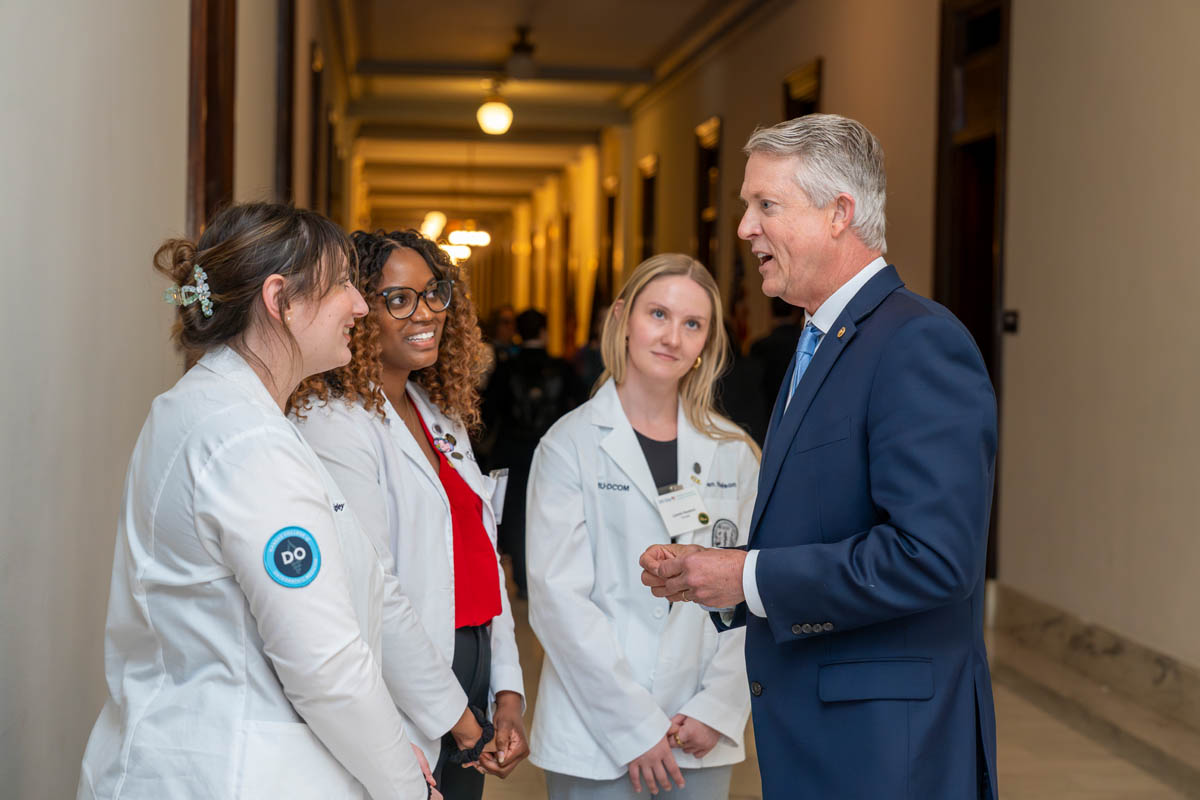
SESSION Congressional meetings Congressional meetings take place based on the schedule provided.
Time 9:30 a.m.–5 p.m.
SESSION D.C. office open house Stop by the AOA DC Office to visit and network with colleagues.
Location AOA DC Office ( 511 2nd Street N.E.)
#DODAY26 The Wednesday evening dinner keynote explores the transformative power of “doing” what most people don’t, leading to greater personal fulfillment and professional excellence.
Learn more